
Some plants may seem ideal for backyard landscaping, but they can seriously damage your home. From invasive plants to trees with aggressive roots, the wrong vegetation choices can lead to costly repairs.
Discover which plants to avoid near your house — and which are better alternatives — according to gardening experts.
+ Before and After — This Californian Bathroom Stuns with a Luxurious and Relaxed Look
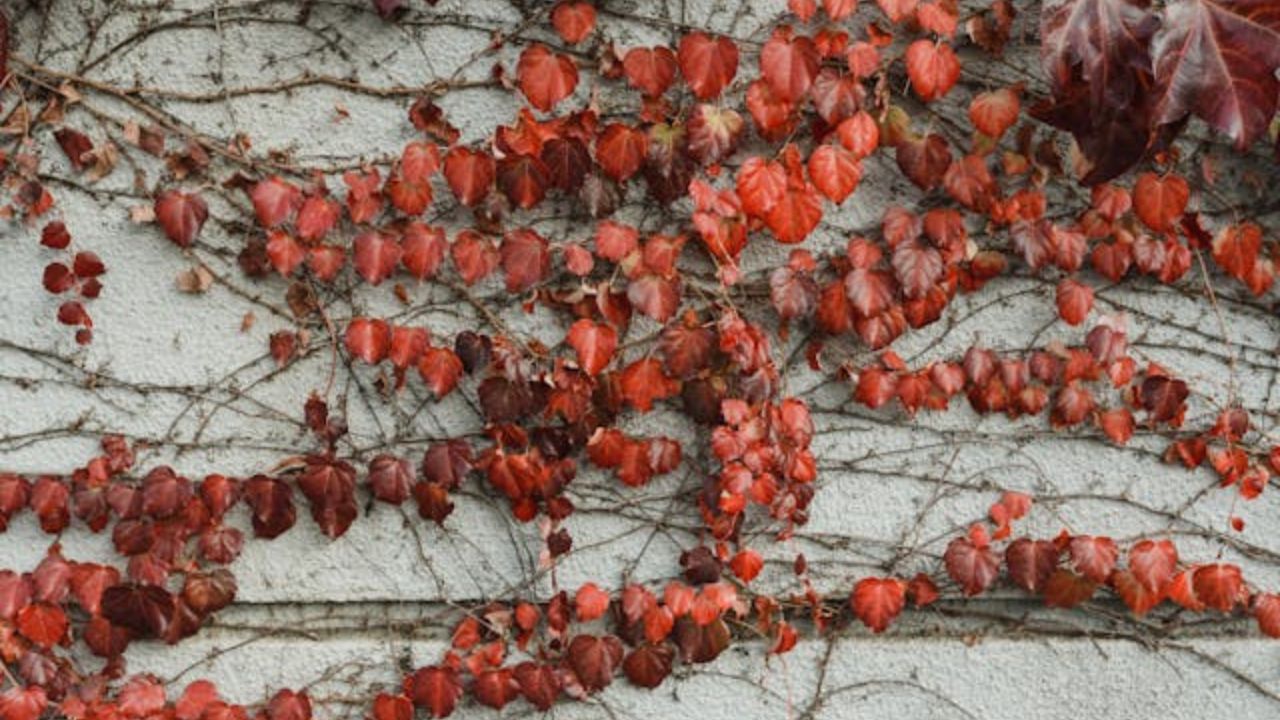
1. Virginia creeper
Virginia creeper clings tightly to walls using powerful adhesive tendrils.
“Although it looks charming, this fast-growing vine can cause severe structural damage to exterior surfaces,” warns Tim Spence of Arborist Halifax.
It can penetrate cracks in bricks and mortar, trap moisture, and promote mold and rot.
Once it reaches gutters, it blocks drainage, leading to water buildup and structural risks.
Alternative: Grow it on trellises, pergolas, or freestanding structures away from the house.
2. Chinese wisteria
Chinese wisteria is a decorative climber with fragrant purple or blue flowers, known for rapid growth and low maintenance.
However, it can get out of control. Its invasive roots penetrate weak spots in masonry or siding, making removal difficult.
Its vigorous growth and weight can topple fences or pull down shutters and pipes.
Alternative: Choose American wisteria, a native non-invasive species that’s about half the size.
3. English ivy
English ivy is visually appealing on walls and facades and is helpful in erosion control due to its ground-covering nature.
“Despite this, it’s a highly invasive plant and damaging to exterior finishes,” warns Rafi Friedman of Coastal Luxury Outdoors.
It can loosen mortar on brick walls if left to grow unchecked.
Alternative: Opt for more manageable vines like bougainvillea or butterfly vines (Campsis).
4. Silver maple
Avoid planting trees with shallow roots, such as the silver maple, near your home.
“This tree grows quickly and has expansive roots that can crack sidewalks, damage driveways, and affect foundations,” says Spence.
In addition, silver maples are more prone to falling during storms, increasing the risk of accidents.
Recommendation: Plant trees with deeper root systems farther from your home’s foundation.
5. Bamboo
Bamboo is often used as a natural privacy screen due to its dense, tall, and fast growth. However, it’s highly invasive and hard to control.
Its shallow roots, called rhizomes, spread laterally and produce new shoots rapidly — up to 30 cm per day.
These canes can damage sidewalks, pools, and foundations, often requiring expensive repairs.
Alternative: Use non-invasive bamboo species like red bamboo or green panda bamboo.
6. Willow
“Willows seek water at any cost,” says Friedman. Their roots extend great distances in search of water sources, including pipes and sewer lines.
This can compromise the entire underground infrastructure of your home.
Recommendation: Only plant willows if you have a large property with a pond, swamp, or wetland.
7. Eucalyptus tree
Native to Australia, the eucalyptus tree is hardy, exotic, and visually striking — but potentially destructive in every direction.
Its roots can extend up to 30 meters, impacting sewer systems, water lines, and foundations.
The tree also frequently sheds bark and branches and drops toxic leaves.
Alternative: Plant eucalyptus trees at least 3 to 3.6 meters away from the house, or opt for more manageable species such as red-capped eucalyptus or dwarf apple trees.
Source: The Spruce
This content was created with the help of AI and reviewed by the editorial team.
